
Understanding EU & UK Sanctions Defense Strategies
In today’s global environment, the implementation of sanctions by the European Union (EU) and the United Kingdom (UK) represents a critical aspect of foreign policy and international relations. The complexity of these sanctions, paired with their evolving nature, necessitates that individuals and businesses understand their implications and develop effective EU & UK Sanctions Defense strategies. This article delves into the legal framework surrounding sanctions, the compliance challenges faced by businesses, and the defenses that can be employed in mitigating risks.
The Legal Framework of EU & UK Sanctions
Sanctions regimes are put in place to achieve foreign policy objectives, such as maintaining international peace or addressing violations of human rights. The legal authority for imposing sanctions in the EU is enshrined in the Treaty on European Union (TEU) and executed through various regulations and decisions by the European Council. In the UK, sanctions are primarily imposed under the Sanctions and Anti-Money Laundering Act 2018, alongside secondary legislation that implements specific measures.
Sanctions can take many forms, including asset freezes, trade embargoes, travel bans, and sectoral sanctions targeting specific industries. Compliance with these sanctions is mandatory, and failure to adhere can lead to severe penalties, including significant fines and reputational damage.

Compliance with Sanctions Regulations
Businesses operating internationally must implement robust compliance measures to ensure adherence to EU and UK sanctions. This involves understanding the specifics of the sanctions that apply to their operations, conducting thorough due diligence on potential business partners, and instituting ongoing monitoring systems to identify any changes to the sanctions landscape.
Compliance programs should encompass a range of activities, including risk assessments, employee training, and established protocols for reporting and handling potential breaches. Businesses must also keep abreast of changes in the legislative framework, as sanctions can be modified or lifted in response to geopolitical changes.
Challenges in Sanctions Compliance
The complexity of the sanctions landscape poses significant challenges for businesses. First and foremost, sanctions can be ambiguous, with legal definitions that may not be clear-cut. Varied interpretations can lead to unintentional violations, showcasing the importance of legal advice and comprehensive compliance training.
Furthermore, the global nature of many businesses means they may be subjected to multiple sanction regimes simultaneously, complicating compliance efforts. For instance, a business that operates in both the EU and the US may find itself navigating conflicting regulations, thus requiring specialized legal counsel to mitigate risks.
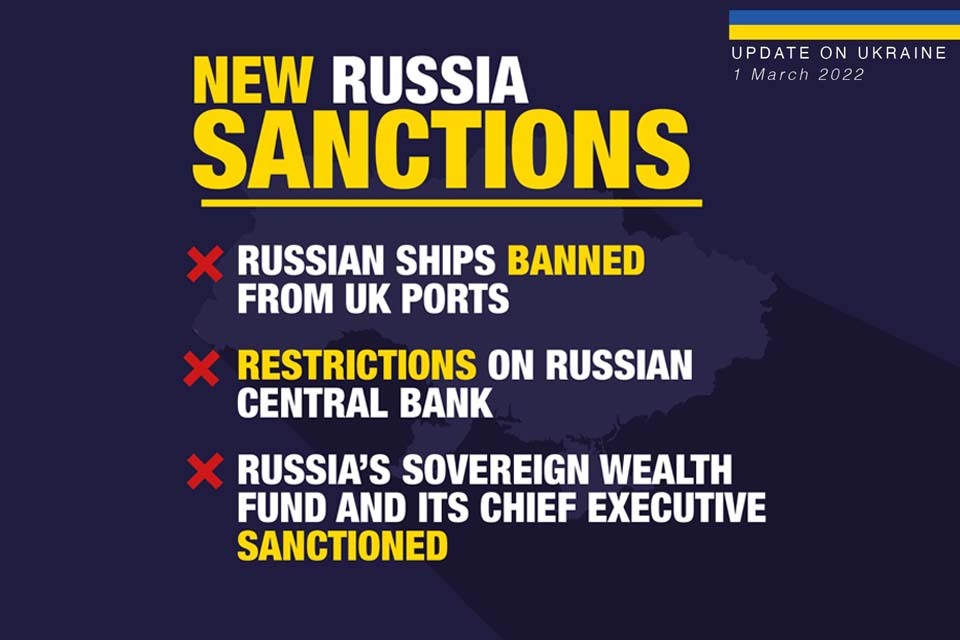
Defending Against Sanctions Violations
In the event of a sanctions violation, having a defense strategy in place is essential. Such strategies may include demonstrating that effective compliance measures were implemented and actively adhered to at the time of the violation. Businesses should also be prepared to present evidence of regular training and risk assessments that were undertaken to mitigate exposure to sanctions-related issues.
Moreover, approaching regulatory authorities with a transparent willingness to cooperate can often lead to more favorable outcomes. Seeking to negotiate settlements or remedial actions proactively demonstrates good faith, which can be advantageous in defending against allegations of sanctions violations.
The Role of Legal Counsel
The role of legal counsel specializing in sanctions compliance cannot be overstated. Legal experts can provide valuable guidance on navigating the often-overlapping legal frameworks of the EU and UK. They can assist in developing compliance programs, conducting risk assessments, and providing representation in the event of enforcement actions.
Engaging legal professionals is particularly important considering the potential for reputational harm and financial loss that can result from violations. Legal counsel can offer insights into developing a comprehensive sanctions policy tailored to an organization’s specific circumstances, ensuring that all employees understand their responsibilities.
Future Trends in Sanctions Policy
As geopolitical tensions continue to evolve, the nature of sanctions is also likely to change. The EU and UK have demonstrated a willingness to act decisively in response to international incidents, and businesses must stay ahead of emerging trends. This includes understanding the implications of new sanctions regimes and anticipating the potential for further sanctions related to economic activities, national security, and human rights.
The rise of economic sanctions as a primary tool of foreign policy has led to increased scrutiny of compliance issues. Market players should prepare for further regulations and an emphasis on accountability in their compliance practices. Failure to adapt to these changes risks not only legal but also commercial fallout.
Conclusion
In conclusion, navigating the landscape of EU and UK sanctions is a significant challenge for businesses operating in today’s interconnected world. Understanding the legal frameworks, implementing robust compliance measures, and having effective defense strategies in place are essential components of maintaining operational integrity. Legal counsel specializing in this area can provide crucial support in safeguarding against the serious implications of sanctions violations. As sanctions continue to evolve, staying informed and adaptable will be key to successfully navigating this complex regulatory environment.