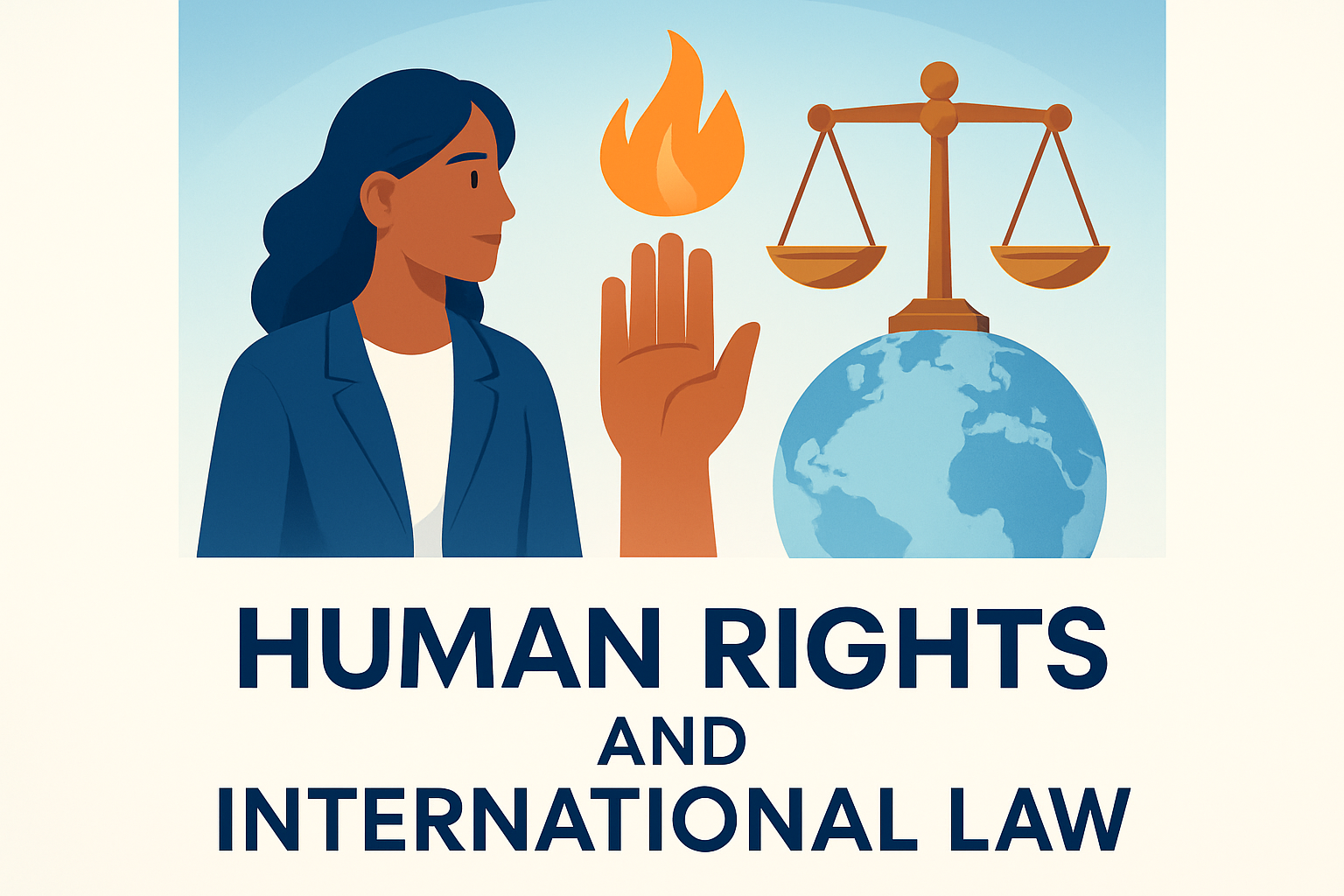
In an era where global conflicts and social injustices are rampant, the role of a human rights lawyer has never been more crucial. These dedicated professionals defend the rights of individuals and marginalized groups, ensuring that justice prevails in both domestic and international contexts. This article delves into the importance of human rights lawyers, their challenges, and the impact they have on society.
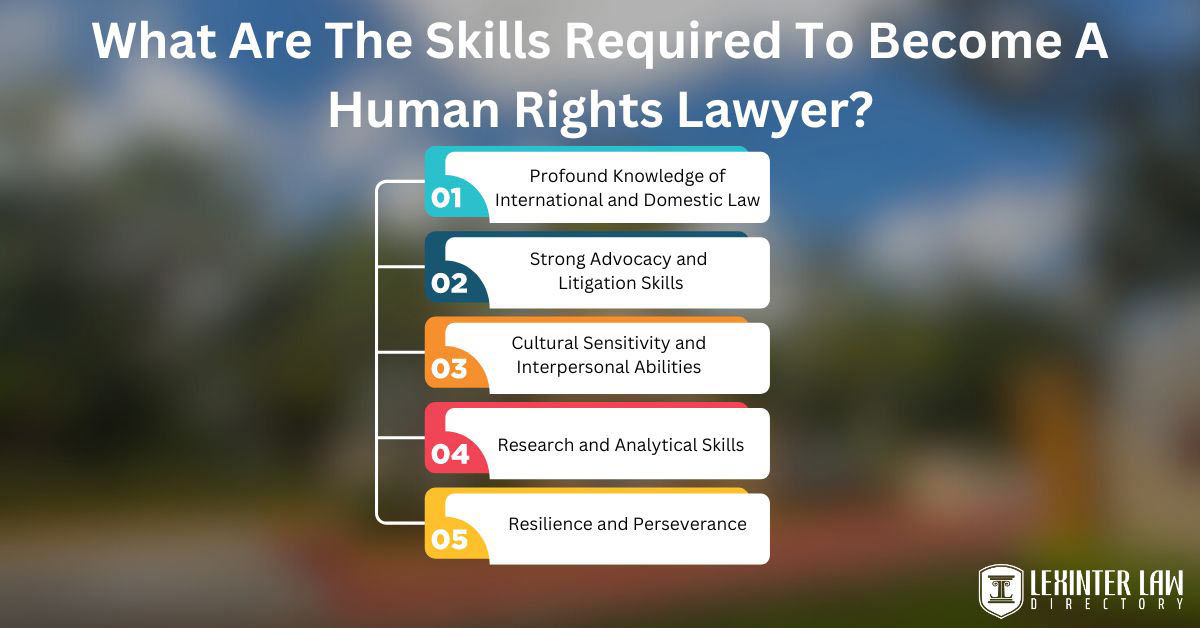
Understanding the Role of Human Rights Lawyers
Human rights lawyers specialize in legal issues that concern the fundamental rights and freedoms of individuals. They work tirelessly to uphold the principles enshrined in international human rights laws, including treaties such as the Universal Declaration of Human Rights and local legal frameworks designed to protect citizens from abuses. They advocate for victims of discrimination, torture, and other forms of abuse, often taking on cases that align with social justice movements.
The Foundation of Human Rights Law
The field of human rights law developed significantly after World War II, as global leaders recognized the need for a formalized system to protect individuals. The data gathered during the war highlighted the atrocities that could occur if human rights were not safeguarded. Human rights lawyers emerged as vital players in this arena, serving as both advocates and enforcers of legal protections for all individuals, regardless of their race, gender, sexual orientation, or socio-economic status.
Challenges Faced by Human Rights Lawyers
Despite their crucial role, human rights lawyers often face significant challenges. These can include:
- Threats to Personal Safety: Lawyers working on high-profile cases, particularly in oppressive regimes, may face intimidation, harassment, or even violence. In some regions, their lives are at constant risk due to their commitment to defending human rights.
- Limited Resources: Many human rights organizations operate on tight budgets, relying heavily on donations and grants. This lack of funding can restrict the ability of lawyers to take on multiple cases or provide adequate representation for clients in need.
- Judicial Obstacles: In many countries, judicial systems can be biased, and judges may not be impartial, especially in cases involving the government or powerful entities. This makes it difficult for human rights lawyers to achieve meaningful outcomes.
The Impact of Human Rights Lawyers on Society
The work of human rights lawyers can lead to significant societal change. They are often at the forefront of legal battles that set important precedents, shift public opinion, and influence policies both locally and internationally. Some of their impacts include:
- Advocacy for Systematic Change: By challenging unjust laws and practices in court, human rights lawyers can push for reforms that enhance the rights and protections available to vulnerable populations.
- Raising Public Awareness: Through their cases and legal victories, these lawyers often raise awareness of critical social issues, mobilizing public support and inspiring grassroots movements for change.
- Providing Support to Vulnerable Groups: Human rights lawyers often work with marginalized communities, providing them with access to legal representation and education about their rights.
Notable Human Rights Lawyers
Throughout history, numerous human rights lawyers have made significant contributions to the field. Some notable figures include:
- Nelson Mandela: Before becoming the President of South Africa, Mandela was a lawyer who fought against apartheid and worked to ensure racial equality.
- Alice Paul: A key figure in the women’s suffrage movement in the United States, Paul’s legal work helped achieve the passage of the 19th Amendment, allowing women the right to vote.
- Ruth Bader Ginsburg: Known for her work on gender equality and civil liberties, Ginsburg served as a U.S Supreme Court Justice and was a prominent advocate for women’s rights.
How to Support Human Rights Lawyers
Supporting human rights lawyers can take many forms. Here are several ways individuals can contribute:
- Donating to Legal Organizations: Many non-profits that support human rights lawyers rely on funding to operate. Donations can help provide resources for lawyers to continue their work.
- Raising Awareness: Sharing information about human rights issues and the challenges faced by lawyers can help engage more people in these critical conversations.
- Volunteering Time: If you have legal skills or expertise, consider volunteering at organizations that support human rights cases.
Conclusion
The role of human rights lawyers is essential in the ongoing fight for justice and equality. They face daunting challenges but continue to push forward, often at great personal risk. By understanding the importance of their work and supporting them in meaningful ways, we can contribute to a more just society where the rights of all individuals are respected and upheld.