Understanding EU Sanctions Delisting: Processes and Implications
In recent years, the European Union (EU) has implemented a broad array of sanctions in response to geopolitical events and threats. While these measures aim to maintain international peace and security, they can also have profound impacts on individuals and businesses. This article delves into the concept of sanctions delisting, particularly within the EU framework, and highlights the legal intricacies involved in the process. Should you find yourself needing legal assistance, consider reaching out to EU Sanctions Delisting Sanctions Lawyers, who specialize in this niche.
What Are EU Sanctions?
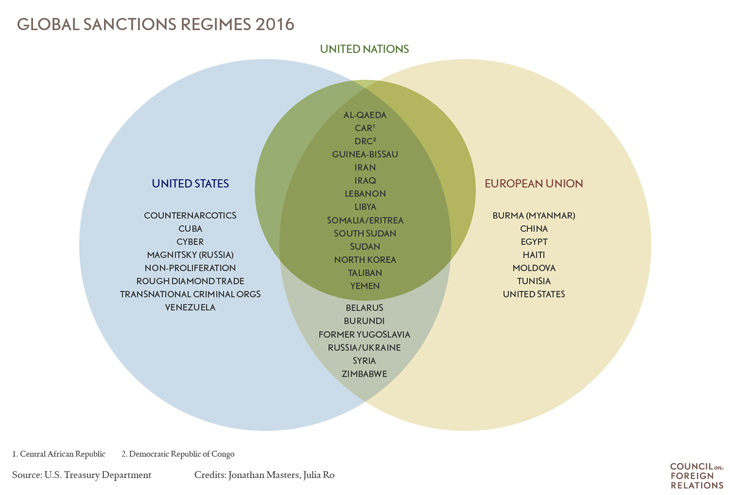
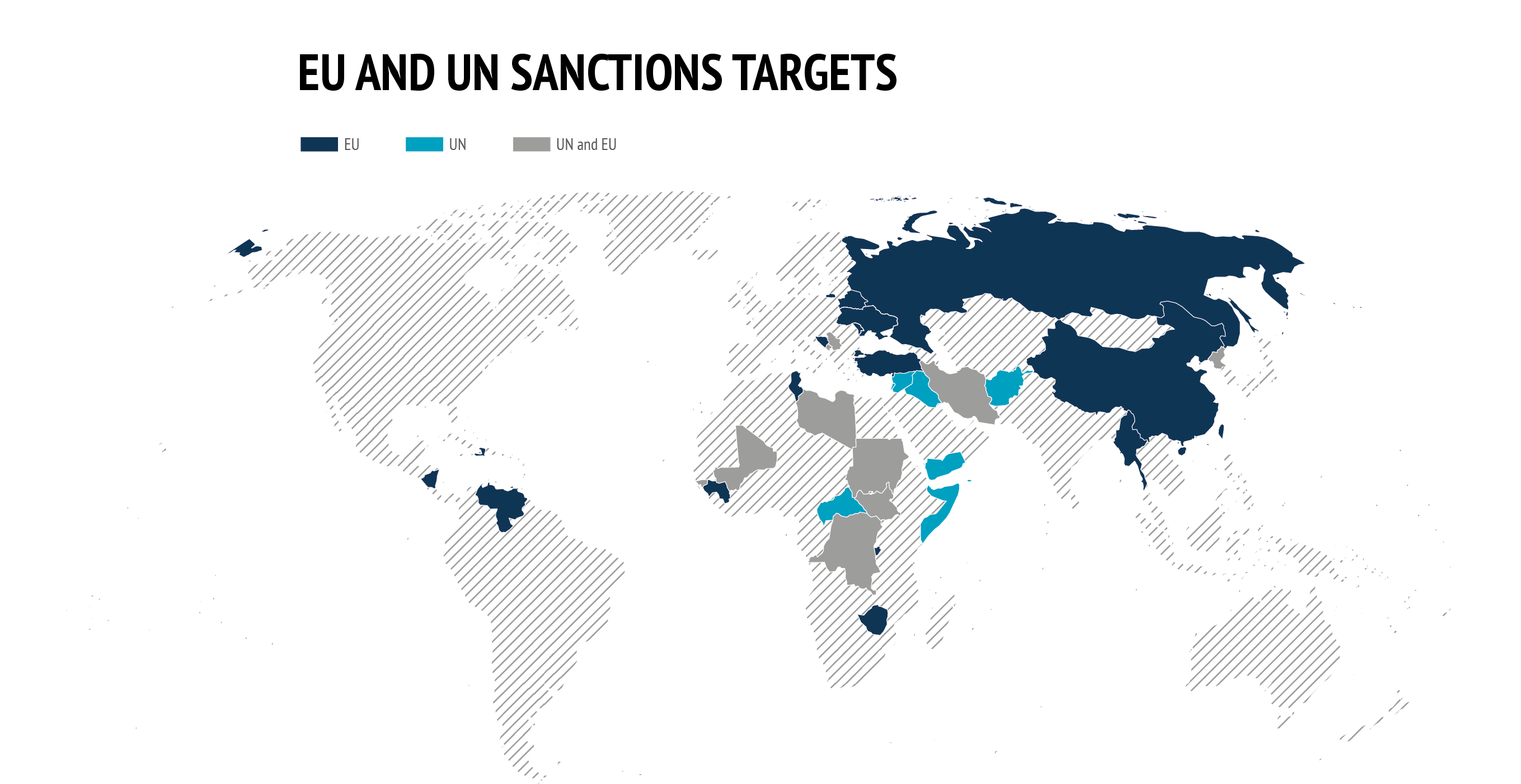
EU sanctions include measures such as asset freezes, travel bans, and trade restrictions imposed on individuals, organizations, and even entire countries. These sanctions can arise from humanitarian crises, violations of international law, or national security concerns. The EU employs its sanctions regime not only to punish wrongdoing but also to encourage compliance with international norms.
The Delisting Process
Delisting refers to the removal of an individual or entity from the sanctions list. The path to delisting can be complex and requires a thorough understanding of both the legal framework and the procedural steps involved.
Reasons for Delisting
There are several reasons an individual or company might seek delisting from the EU sanctions list:
- Change in circumstances: If the reasons for the initial sanctions are no longer valid, a case for delisting can be made.
- Judicial Decisions: A successful court ruling can overturn previous sanctions.
- Compliance and Cooperation: Demonstrating compliance with international law and cooperating with investigations may lead the EU to reconsider sanctions.
Legal Justifications for Delisting
Under EU law, individuals and entities have the right to challenge their inclusion on sanctions lists. This is primarily governed by Article 263 of the Treaty on the Functioning of the European Union (TFEU), which allows for judicial review of EU acts. The legal justification for delisting often hinges on violating an individual’s rights or failing to provide sufficient evidence to justify the sanctions.
The Steps Involved in the Delisting Procedure
The procedure for delisting can be summarized in several key steps:
1. Initial Review
Once an individual or entity believes they have grounds for delisting, the first step is to submit a formal request. This request must include credible evidence demonstrating the reasons for lifting the sanctions.
2. Legal Representation
Engaging with legal experts is crucial at this stage. Skilled sanctions lawyers can navigate the complexities and provide a compelling case for delisting.
3. EU Institutions’ Examination
Upon submission, the relevant EU authorities will review the application. This includes a comprehensive analysis of the legal arguments and the evidence provided.
4. Decision-Making
The decision on delisting will be communicated formally. If the decision is negative, individuals may have the right to appeal, which entails further legal processes.
5. Court Challenges
If initial appeals are unsuccessful, judicial review at the European Court of Justice (ECJ) may be pursued. Cases involving sanctions have set important precedents within EU law, influencing how future delisting cases are handled.

Challenges in the Delisting Process
The path to delisting is fraught with challenges. The burden of proof largely rests on the sanctioned individual or entity, often requiring extensive documentation and a robust legal argument. Additionally, the lack of transparency during the sanctions process can pose hurdles. Many individuals find themselves on sanctions lists without clear communication from the EU regarding the reasons for their designation.
The Importance of Legal Expertise
Given the complexity and implications of EU sanctions delisting, engaging with legal experts is essential. Sanctions lawyers bring the necessary expertise to navigate the intricate legal landscape and advocate effectively on behalf of their clients. Their experience in handling similar cases can significantly improve the chances of a favorable outcome.
Conclusion
EU sanctions delisting remains a crucial area of concern for many individuals and businesses impacted by the EU’s expansive sanctions regime. The processes involved can be complex, demanding a deep understanding of legal principles and procedures. Therefore, seeking professional legal assistance is often the best route toward seeking redress.
In conclusion, while facing sanctions can be daunting, knowing the steps to take for a potential delisting can empower individuals and businesses to advocate for their rights and restore their standing in the international community.