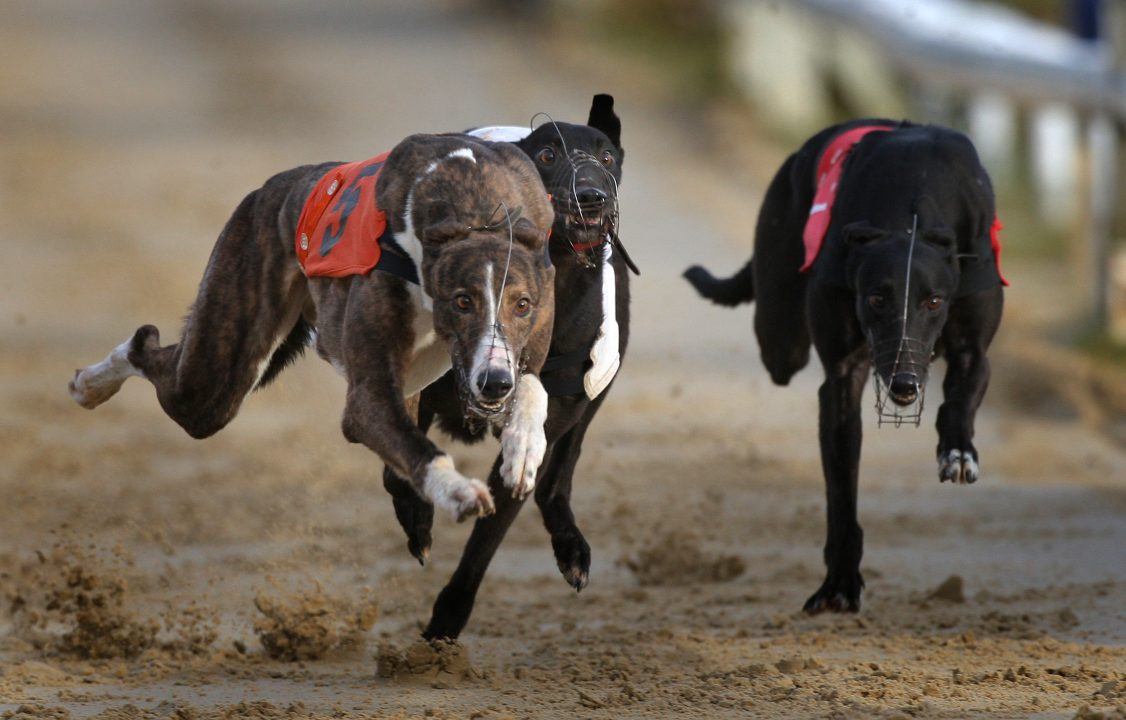
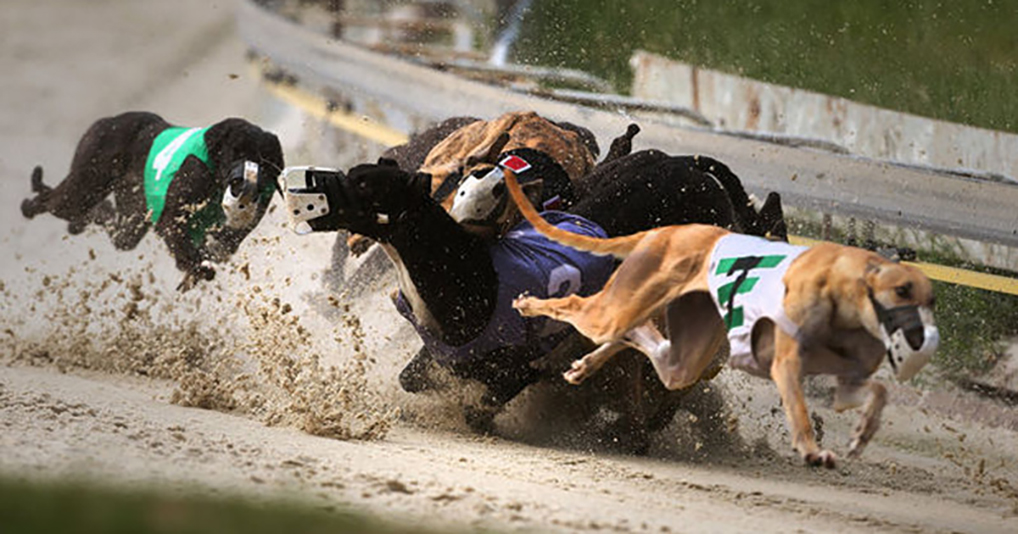
Greyhound racing has always held a special place in the hearts of fans worldwide, but the increasing absence of live greyhound races today raises important questions regarding the future of this age-old sport. Various factors contribute to the current landscape of greyhound racing, as well as the implications of these changes on the sport itself. For those interested in all things greyhound racing, visit Live Greyhound Racing Not on GamStop whippetgrey.co.uk to explore further insights and developments.
Understanding the Decline of Live Greyhound Racing Events
One of the most pressing issues affecting the greyhound racing scene is the growing number of racetracks that have closed or reduced their live racing schedules. This trend is not merely a reflection of declining interest; it also arises from shifts in public perception, regulatory changes, and challenges facing the greyhound racing industry as a whole.
The Factors Leading to the Decline
The decline in live greyhound racing can be attributed to several interconnected factors:
Public Sentiment and Animal Welfare Concerns
In recent years, there has been a heightened awareness of animal welfare, particularly concerning the treatment of racing dogs. Documentary films and exposés have highlighted the harsh realities faced by some greyhounds, leading to improved advocacy for their rights and welfare. As a result, many potential fans and patrons of the sport are reconsidering their support. This shift in public sentiment has pressured many racetracks to either close or rethink their operations.
Legislative Changes
Various countries and states have enacted stricter regulations regarding dog racing, affecting its viability. For example, some regions have implemented bans on greyhound racing altogether due to ethical concerns. In other instances, regulatory changes have increased operational costs for racetracks, making it challenging to maintain profitability.
The Rise of Digital Entertainment
As technology continues to evolve, so too do the ways in which we engage with entertainment. Live greyhound racing events face significant competition from other forms of entertainment, including online sports betting, video games, and streaming services. Fans may now prefer to watch events from the comfort of their homes rather than attending live races, contributing to the decline of traditional racing venues.
Implications for the Industry
The impacts of the reduction in live greyhound racing are multifaceted. On one hand, fewer live events mean reduced revenue for racetracks, trainers, and associated businesses. Conversely, there is an opportunity for the industry to adapt and reshape itself to meet the evolving expectations of fans.
Economic Considerations
The economic ramifications of declining live greyhound racing extend beyond the racetracks themselves. Local businesses that benefit from increased foot traffic during racing events—like hotels, restaurants, and retail stores—may also feel the effects. This can lead to a wider impact on community economies, particularly in areas where dog racing has been a significant draw.
Innovative Alternatives and Opportunities
With the decline in traditional live events, the industry has a chance to explore alternative models. For instance, racetracks can focus on hosting events that promote the welfare and adoption of retired greyhounds, which not only highlights the sport’s commitment to animal welfare but also engages the community and fosters a positive image.
Moreover, the rise of online betting platforms allows fans to engage with the sport in new ways, even if live events are not occurring. Virtual races and simulcast events can keep the excitement of greyhound racing alive for fans, constantly drawing engagement and presenting opportunities for wagering.
The Future of Greyhound Racing
While the landscape of greyhound racing may be shifting, it is not without hope. The industry can choose to adapt to the evolving expectations surrounding animal welfare and entertainment. By emphasizing humane treatment, transparency, and innovative engagement methods, it is possible to maintain a dedicated fanbase loyal to the sport.
Revitalizing Interest through Education and Advocacy
Educating potential fans about the realities of modern greyhound racing, as well as actively advocating for the welfare of the dogs, can bridge gaps and dispel myths. Many organizations are already working to promote better practices within the industry, and their efforts can inspire both new and returning fans.
Engaging with the Community
Communities can play a significant role in revitalizing interest in greyhound racing. By involving local residents in events, inspiring charity fundraisers around retired greyhounds, and hosting educational programs, communities can foster a greater sense of connection and stewardship of the sport.
Conclusion
The decline of live greyhound racing events might seem discouraging at first glance, yet this transition could pave the way for a more sustainable and compassionate future in the industry. By embracing change, advocating for animal welfare, and innovating on various platforms, greyhound racing has the potential to continue capturing the hearts of fans for generations to come. While we may not see live racing on the tracks today, the spirit of greyhound racing can still thrive through education, advocacy, and community engagement.
As fans and advocates, we can support initiatives that aim to promote transparency and compassion within the greyhound racing community, ensuring the legacy of these remarkable dogs continues onward.